
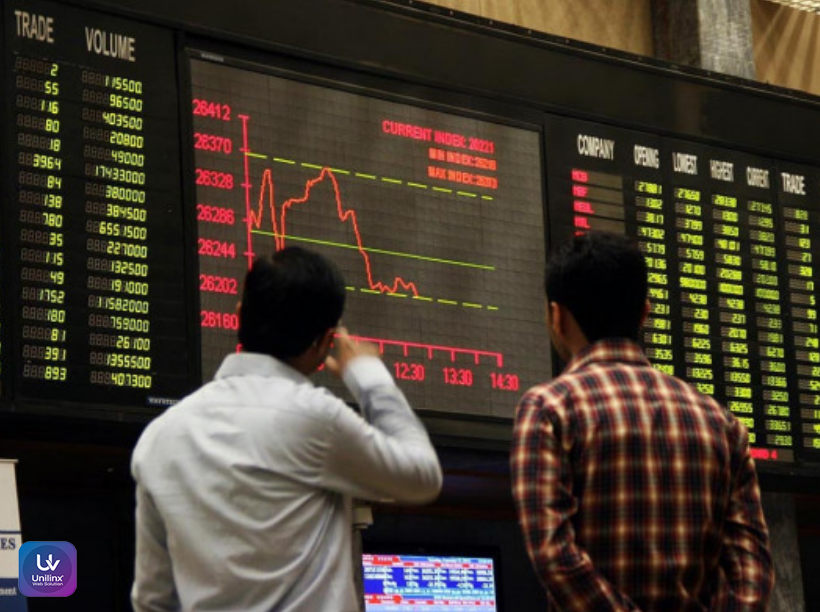

Gold slips Rs4,600 per tola before Fed rate decision; rupee gains a little more.
BY Mahnoor | 25-07-2026
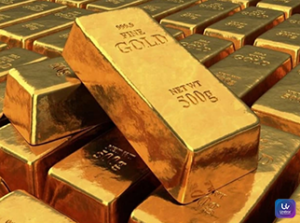
KARACHI: Gold prices in Pakistan went down on Friday, even though global prices went up a little. This shows a delayed effect because of world worries about oil prices and money rules.
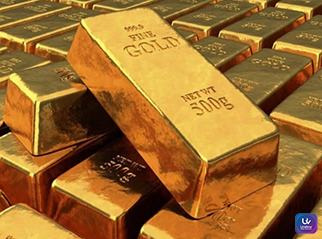
According to the All-Pakistan Gems and Jewellers Sarafa Association, the price for one tola of gold ended at Rs427,436 after dropping Rs4,600 that day. The 10-gram price was Rs366,457, down Rs3,944. On Thursday, the per-tola price had ended at Rs432,036 after a fall of Rs1,800. Silver prices also got weaker, falling by Rs61 to Rs6,309 per tola.
In the world market, the price of gold went up 0.6% to $4,073.23 per ounce by 11:50 am US Eastern Time, according to Reuters. Gold fell about 2% the day before but still was up 1.4% for the week because people bought it at lower prices earlier. US gold futures for August also went up 0.6% to $4,075.90.
Even though gold prices went up globally, the local market saw a drop. Oil prices fell from over $100 a barrel, making inflation concerns a bit smaller. Investors are watching the Middle East conflict and its effects on energy costs and wider inflation before the US Federal Reserve decides on interest rates next week.
People who trade in markets are watching the Fed meeting closely for clues about what comes next. Traders think a rate hike in September is very likely, which usually affects demand for things like gold that don’t pay interest.
Buying patterns were different in different areas. In India, sellers offered discounts of up to $56 per ounce because buying was weak after a recent price rise turned buyers away. Gold in India was trading at about 141,800 rupees per 10 grams on Friday, after going up to 146,000 rupees earlier in the week.
In China, gold was selling for $3 to $6 more per ounce than the global price, showing stronger demand in the world’s biggest gold buyer. The world is watching oil price changes and the upcoming US policy decision, so gold is easily affected by changes in risk feeling and inflation expectations.
Oil prices went back above $100 a barrel for the first time since May after Yemen’s Houthis attacked two Saudi oil tankers in the Red Sea, spreading the Middle East conflict to another important shipping route.
Analysts say that if crude oil prices keep falling, it could make things cheaper. But if geopolitical problems get worse or the central bank tightens money unexpectedly, it might undo recent local easing. Traders will watch global signals and local trade volumes in the coming days to see clearer direction.
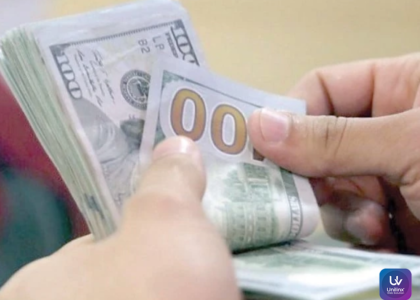
Meanwhile, the Pakistani rupee went up a bit on Friday, closing at 277.87 against the US dollar, which is a rise of Rs0.03, or 0.01%. On Thursday, it ended at 277.90.
Around the world, the dollar got stronger because US government bond yields went up and stayed near a 40-year high compared to the yen. This happened because oil prices jumped and there were new worries about a global trade war, which made inflation risks higher.
The British pound was trading at around $1.3313, a three-week low, after falling almost 0.5% the night before. The euro also weakened to $1.1376, not getting much support from expected interest rate increases by the European Central Bank. The dollar index stayed near a three-week high against a group of currencies at 101.45.
Also watch this :
Google makes its small AI models better, but the big one is still late.